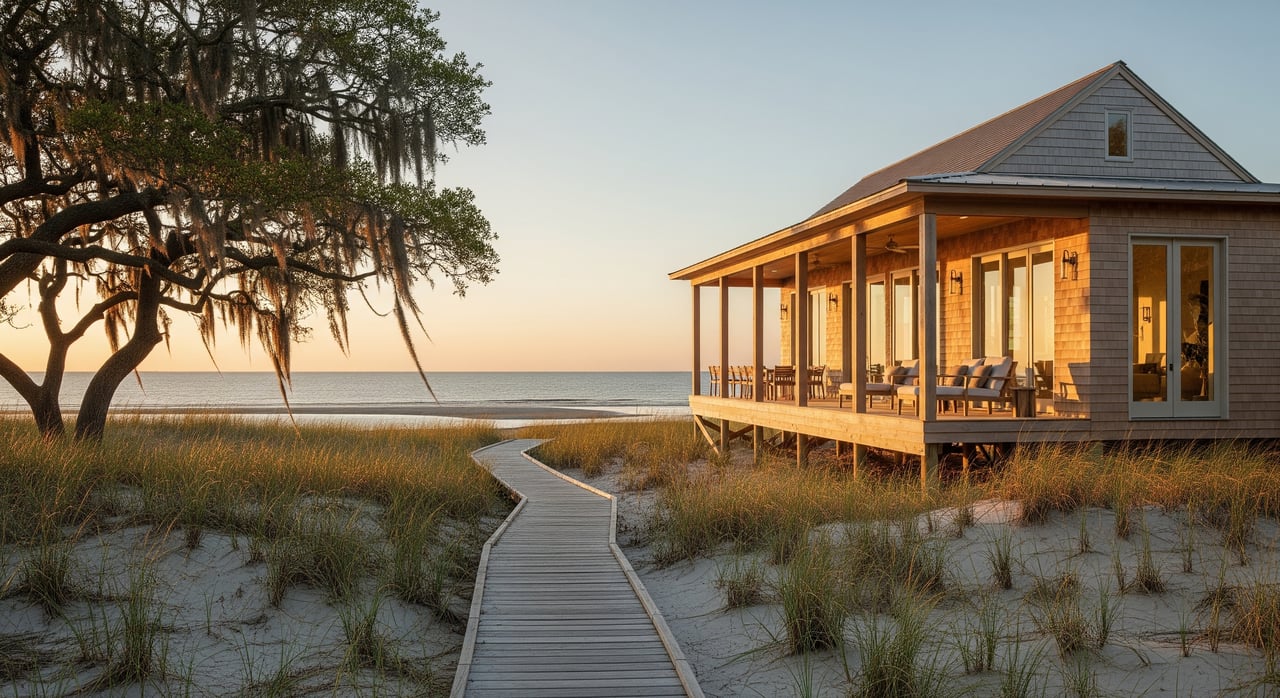
Thinking about trading traffic for tides and sunsets? If the idea of a walkable beach town with a relaxed Gulf Coast rhythm sounds like home, Dauphin Island may be the right fit. You get sandy shorelines, fishing and boating, and a small-town community, all within reach of Mobile for jobs, shopping, and medical care. In this guide, you will learn what daily life feels like, how access and services work on a barrier island, and what to consider if you plan to buy, sell, or invest. Let’s dive in.
Island lifestyle at a glance
Beaches and everyday rhythm
Life here revolves around the water. Public beaches, sunrise paddles, shelling, and quiet evening walks are part of the daily routine. Summer brings more visitors and energy on weekends, while weekdays and the off-season are calm and neighborly. Many full-time residents enjoy the peaceful pace and easy access to the sand.
Boating, fishing, and outdoor fun
If you love to fish, you will find charter opportunities and ramps for your own boat. Kayaking, birding, and biking are common, and the island’s waterways support both recreational and commercial fishing. Parks and natural areas add to the lineup so you can get outside in every season.
Science and culture close by
The Dauphin Island Sea Lab is a cornerstone of local identity and learning. Families and visitors can explore the Dauphin Island Sea Lab’s public Estuarium to understand the Mobile Bay estuary and Gulf ecosystems. Educational events and research activity add depth to the community year round.
Dining and shopping expectations
You will find casual restaurants and small shops on the island, plus basic groceries and services. For big-box shopping, specialty care, and major errands, most residents plan trips to the mainland and Mobile. Many locals batch errands to save time and take advantage of the slow island pace.
Weather and seasons
Summer energy, off-season calm
Summer is the busy season with more traffic, higher short-term rental activity, and lively beaches. Spring and fall offer warm water and mild weather without the crowds. Winter is generally mild, and island life becomes especially quiet and community focused.
Hurricane season basics
Hurricane season runs from June through November, with the highest activity in late summer and early fall. Staying informed with the National Hurricane Center helps you monitor developing systems. Elevated homes and resilient construction are common, and many residents keep basic supplies on hand during peak months.
Power, access, and preparation
Storms can temporarily interrupt power or cause roadway delays. A small generator, a plan for charging devices, and extra water are common sense for coastal living. After major weather, cleanup and access can take time, so most households keep a simple preparedness checklist.
Housing and neighborhoods
Home types you will see
You will find a mix of single-family homes, cottages, small condos, and mobile homes. Many houses are elevated on pilings to address flood risk and meet building standards. Newer builds often feature hurricane-rated windows and doors, reinforced roofs, and materials designed for salt air.
Prices and seasonality
Waterfront and water-view properties typically command a premium. Inventory can be limited, and sales activity often rises in the spring and early summer. Inland or more flood-prone lots may be priced differently, depending on elevation, access, and recent storm history.
Short-term rentals and investment
The island has an active short-term rental market. Seasonal demand can make summer income attractive, but you need to plan for off-season vacancy, management costs, and local rules. If you are buying for rental, review current ordinances, tax registration, and any neighborhood restrictions before you make an offer.
Insurance, taxes, and costs
Flood zones and NFIP
Much of the island falls within FEMA Special Flood Hazard Areas. Lenders often require flood insurance for these zones, and premiums can vary with elevation and construction details. You can review property-level maps on the FEMA Flood Map Service Center and confirm requirements with your lender and insurer.
Wind coverage and state resources
Coastal homes typically need a separate or enhanced wind policy. Costs depend on building age, roof design, mitigation features, and distance to the shoreline. The Alabama Department of Insurance offers guidance on coastal coverage and high-risk market options so you can evaluate quotes early.
Property taxes and county services
Dauphin Island properties are part of Mobile County. For current millage rates, exemptions, and payment details, start with the Mobile County government. Planning ahead for taxes, utilities, and maintenance helps you model total monthly costs with accuracy.
Getting around and services
Causeway access and commutes
The island connects to the mainland by a single primary causeway and bridge. Commuting to Mobile for work, healthcare, and shopping is common, and timing your drive can make a big difference. Check the Alabama Department of Transportation for road updates during severe weather and major maintenance.
Internet, utilities, and septic
Electricity and municipal water serve most developed areas. Some properties use septic systems, which require routine care, and stormwater management can differ from the mainland. Internet and cell coverage vary by location, so verify providers, speeds, and reliability during your inspection period if you work from home.
Schools and student transportation
Students are served by the Mobile County Public School System. Families typically confirm school assignments, bus routes, and commute times with Mobile County Public Schools. As with any move, verify current options and transportation plans before you close.
Healthcare and emergency access
On-island medical services are limited to primary or urgent care, with major hospitals in Mobile. For public health resources and emergency planning, the Alabama Department of Public Health is a helpful starting point. In an emergency, follow local guidance and established transport protocols.
Buyer tips for Dauphin Island
- Review FEMA flood maps early and confirm the specific flood zone for any property you like, then budget for flood insurance and elevation requirements.
- Obtain wind and flood insurance quotes before you finalize your offer, and ask insurers how mitigation features could lower premiums.
- Verify internet options, cell signal strength, and work-from-home needs at the property, not just by ZIP code.
- Schedule inspections with coastal experience, including roof, pilings or foundations, and corrosion from salt air.
- Confirm short-term rental rules if you plan to rent, including local registration, tax collection, and occupancy rules.
- Ask about storm history, recent repairs, and any open permits, and factor resiliency features into your offer.
- Test your commute during peak times and evaluate causeway travel in various weather conditions.
Seller strategies that work
- Highlight coastal lifestyle, water access, and proximity to Mobile in your marketing, and provide clear, accurate property details.
- Disclose flood risk, elevation certificates if available, and recent storm-related improvements to build buyer confidence.
- Showcase resilience features, such as hurricane-rated windows, reinforced roofs, and elevated construction.
- Prepare for appraisals and inspections with service records, permit history, and insurance documentation ready to share.
- Time your listing to leverage seasonal demand, and consider off-season pricing strategies with your agent to attract serious buyers.
- Stage for salt, sand, and storage by emphasizing durable finishes, outdoor rinsing areas, and functional entry spaces.
Why work with a local team
Buying or selling on a barrier island is different from a typical suburban transaction. You need clear guidance on flood zones, insurance, permitting, and seasonal market rhythms. With neighborhood-level expertise across the Bayou La Batre to Mobile corridor and the marketing reach of a national brand, our team matches everyday buyers, sellers, and investors with practical solutions. We focus on value, clear communication, and professional syndication so your listing gets seen and your purchase stays on track.
Ready to plan your next move on Dauphin Island or along the Alabama Gulf Coast? Connect with Jordan Doole for local insight, a clear plan, and Coldwell Banker marketing power. Get Your Free Home Valuation.
FAQs
What is daily life like on Dauphin Island in the off-season?
- The off-season is calm with mild weather, light traffic, and a neighborly feel, while core amenities and outdoor activities remain part of everyday life.
How does hurricane season affect living on the island?
- Residents monitor forecasts, secure homes, and keep basic supplies; elevated construction and staying informed with the National Hurricane Center are key.
Do I need flood insurance for a home on Dauphin Island?
- Many areas are in FEMA flood zones, lenders often require coverage, and you can check a property’s status on the FEMA Flood Map Service Center.
What types of homes are most common on the island?
- You will see single-family homes and cottages, often elevated on pilings, along with small condos and mobile homes designed for coastal conditions.
Is internet reliable enough for remote work?
- Coverage varies by location, so verify provider options, speeds, and signal strength at the property during your inspection period.
How are schools and transportation handled for students?
- Students are served by the Mobile County Public School System, and families can confirm assignments and routes through Mobile County Public Schools.
What should investors know about short-term rentals?
- Seasonal demand can be strong, but you should confirm local registration, tax rules, and neighborhood restrictions before buying for rental.
