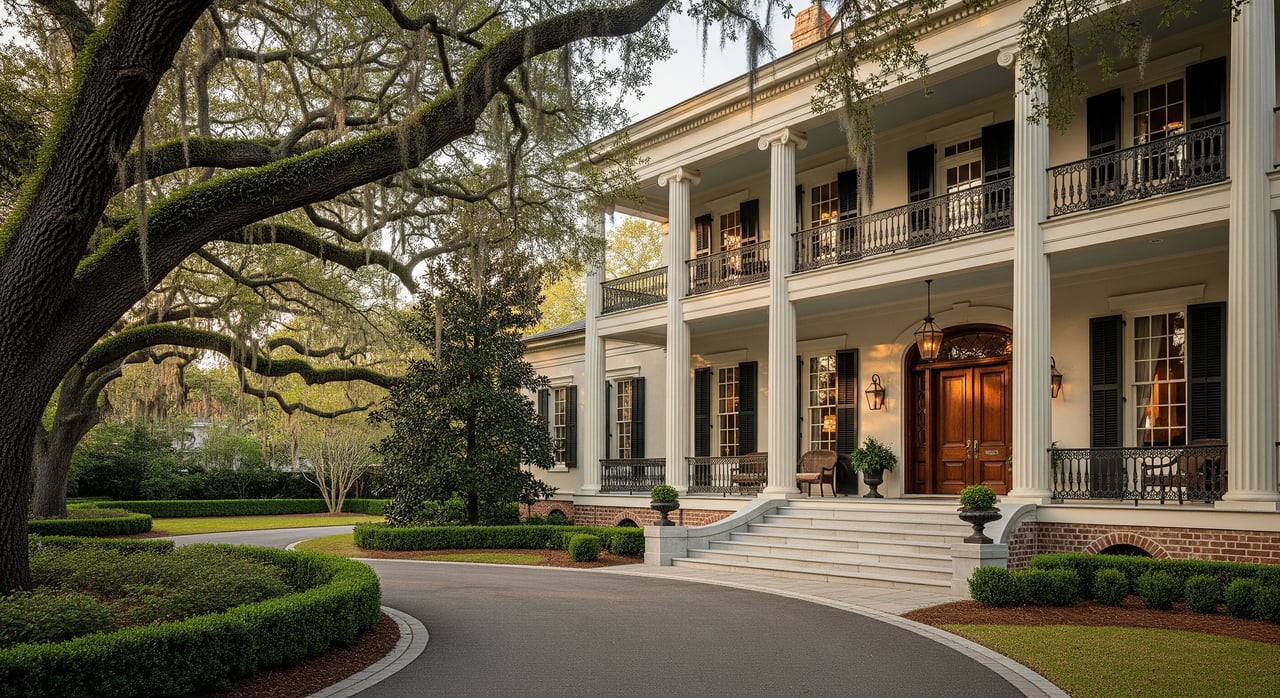
Buying a home in Irvington should feel exciting, not overwhelming. You want a place that fits your budget, your commute, and your lifestyle, and you want to avoid costly surprises. With the right plan and a few local tips, you can move forward with clarity and confidence. In this guide, you will learn how to finance, search, inspect, and close on a home in Irvington, plus the regional factors that matter most in South Alabama. Let’s dive in.
Why choose Irvington
Irvington offers a practical mix of modest single-family homes, often on larger lots with mature trees. You will see more ranch and bungalow layouts than high-density developments. Many homes are older, which can mean character and value, along with a need to check maintenance and systems.
Compared with some parts of Mobile, your buying power often goes further in Irvington. It is typically comparable to several other Mobile County communities, though pricing and days on market can shift by season. Always verify current trends with local MLS data for the most accurate snapshot.
If you are comparing suburbs, consider this:
- Tillmans Corner and parts of West Mobile tend to be closer to retail and newer subdivisions.
- Semmes in northern Mobile County offers more new construction, with a different commute pattern.
- Mobile City neighborhoods can offer shorter commutes to downtown and urban amenities, with different price and housing stock profiles.
Step 1: Get pre-approved locally
Start with a full mortgage pre-approval, not just a pre-qualification. Local lenders who work in Mobile County understand area appraisals, underwriting norms, and regional property considerations.
Common loan options here include conventional, FHA, VA, and USDA for qualifying rural properties. Ask lenders about any required inspections or conditions tied to your loan type, such as termite reports for VA or minimum property standards for FHA. Also ask about wind or hurricane mitigation credits that could help your insurance costs.
Bring these items to speed things up:
- Recent pay stubs and W-2s or tax returns
- Bank statements and proof of assets
- Photo ID and residential history
- A list of monthly debts
Step 2: Map your must-haves in Irvington
Your must-haves guide better decisions and faster offers. In Irvington, weigh these early:
- Lot elevation and flood risk. Review flood zones and consider an elevation certificate if available.
- Septic versus municipal sewer. If septic, plan for an inspection and pump test.
- Commute routes. Identify your primary routes to major employers in Mobile and check typical peak travel times.
- Utility access. Confirm water source, electric provider, natural gas availability, and internet options.
Step 3: House-hunt with MLS access
Work with an agent who uses the local MLS to set instant alerts for Irvington listings. Inventory may be modest, so timely showings matter. Your agent should help you interpret pricing strategies, recent comparable sales, and days on market.
For older homes, ask about roof age, HVAC service records and efficiency, plumbing and electrical updates, and any permits on file. South Alabama’s humidity and termite exposure make maintenance history important. Look closely for wood rot, moisture staining, proper attic ventilation, and sound grading around the home for drainage.
Step 4: Make a strong, safe offer
Base your offer on comparable sales that match size, lot type, condition, and flood status. Your agent should prepare a clear market analysis to support price and terms.
Typical contingencies include:
- Inspection contingency for general and specialty inspections
- Appraisal contingency if you are financing
- Financing contingency that matches your lender’s timeline
- Title contingency to confirm clear ownership
- Home sale contingency only if you truly need it
Discuss customary earnest money ranges for your price point. If inventory is tight, you may need a stronger initial offer. If supply is healthy, you may have more room to negotiate.
Step 5: Prioritize the right inspections
Inspections protect your budget and peace of mind. In Irvington and across South Alabama, consider the following:
- General home inspection. A thorough top-to-bottom check of structure and systems.
- Termite and wood-destroying insect inspection. Regional risk is real. Some loan programs require this.
- HVAC evaluation. Heat and humidity can age systems quickly. Verify the system’s age, SEER rating, and service history.
- Roof inspection. Confirm age, condition, and past leak history, with a focus on wind and hurricane resilience.
- Mold and moisture checks. Elevated humidity can hide issues. Look for active problems or past remediation.
- Septic inspection and pump test. If the home uses a septic system, use a certified inspector and check local records.
- Well water testing. If on a private well, test for bacteria and common contaminants.
- Flood review. Ask for any existing elevation certificate and verify the property’s flood zone to understand insurance needs.
- Survey and boundary check. Order a survey if there are questions about lot lines, easements, or potential encroachments.
If inspections reveal issues, you can negotiate repairs, credits, or price changes within your contingency timelines.
Step 6: Appraisal, underwriting, and closing
Your lender orders the appraisal once you are under contract. Appraisers will rely on comparable sales in Irvington and nearby areas. Stay responsive to your lender’s document requests to keep underwriting on track.
Expect a Closing Disclosure at least three days before settlement on typical mortgage transactions. Closing costs generally include lender fees, title and escrow fees, prorated taxes, homeowner’s insurance, and prepaid items. A Mobile County title company or closing attorney will handle the title search, title insurance, and recording.
Insurance and risk planning on the coast
South Alabama’s coastal and low-lying areas require a closer look at insurance. If your property is in a Special Flood Hazard Area and you are financing, flood insurance is usually required. Even if not required, consider flood coverage for lower-lying lots.
Also review wind and hurricane coverage. Some policies separate wind coverage or have specific deductibles. Ask your insurance agent about wind mitigation credits tied to roof age, deck fastening, shutters or impact-rated windows, and reinforced garage doors.
Taxes, utilities, roads, and HOAs
Before you finalize your offer, review the property’s assessed value and current tax bill with county records. Confirm any exemptions, trends, or pending adjustments.
Utility access can vary by street. Confirm whether the home has municipal water and sewer or private well and septic, and verify the electric provider and natural gas availability. Internet options may range from fiber to satellite depending on location.
Also ask about road maintenance. Some roads are county maintained while others are private. If there is a homeowners association or property owners association, review rules, fees, and any planned assessments.
Typical timeline for buyers
Your exact timeline will depend on market conditions and your lender. A common pattern looks like this:
- Pre-approval: 1 to 7 days once documents are submitted
- Home search: days to weeks, sometimes longer if inventory is tight
- Offer to contract acceptance: 1 to 7 days
- Inspection period: often 7 to 10 days, longer if septic or well testing is needed
- Appraisal and underwriting: about 2 to 3 weeks after loan application
- Closing: commonly 30 to 45 days from contract on most loans
Budgeting and likely costs
Plan for these common items:
- Earnest money deposit according to local customs and price point
- General home inspection, plus termite, septic, and well inspections as needed
- Appraisal fee paid to your lender
- Survey if you choose to order one
- Closing costs that include lender fees, title and escrow, taxes, insurance, and prepaid items
- Immediate repairs and hurricane-readiness upgrades, such as roof improvements or shutters
The team you need, and how to vet them
A strong local team saves time and protects your budget. Work with:
- Buyer’s agent with Mobile County and Irvington experience. Ask for recent comparable sales and references.
- Lender who knows local underwriting and appraisal patterns. Request a full timeline and document checklist.
- Home inspector familiar with regional issues like WDI, moisture, and HVAC wear in hot, humid climates.
- Termite/WDI specialist, plus certified septic and well inspectors when applicable.
- Title company or closing attorney who handles Mobile County recordings and can estimate fees and timelines.
- Insurance agent who can quote homeowners, wind or hurricane coverage, and flood insurance.
A simple Irvington buyer checklist
- Get fully pre-approved with a Mobile County lender and discuss loan type pros and cons.
- Define must-haves: elevation, septic versus sewer, commute routes, utilities, and lot size.
- Set MLS alerts with your agent and tour quickly when a good fit appears.
- Write a strong offer with the right contingencies.
- Order inspections early: general, termite, roof, HVAC, and septic or well as needed.
- Review flood zone and consider an elevation certificate and flood insurance.
- Stay responsive during appraisal and underwriting.
- Review your Closing Disclosure and plan for final walk-through and utilities setup.
Ready to explore Irvington homes with a trusted local partner? Connect with Jordan Doole to get clear guidance, on-the-ground insight, and the power of a national brand behind your search.
FAQs
In Irvington, AL, how do I know if I need flood insurance?
- Check the property’s flood zone and ask for any existing elevation certificate; if the home is in a Special Flood Hazard Area and you finance the purchase, flood insurance is usually required.
What inspections are most important for Irvington buyers?
- In addition to a general inspection, prioritize termite/WDI, roof, HVAC, and moisture checks, plus septic and well testing if applicable, and consider a survey for boundary clarity.
How do older homes in Irvington affect my budget?
- Older homes can offer value, but plan for potential system updates and maintenance; use inspections and permit history to evaluate condition and negotiate repairs or credits.
Which loan types work well in Mobile County?
- Many buyers use conventional, FHA, VA, or USDA loans if the property qualifies; ask lenders about loan-specific requirements like WDI reports or minimum property standards.
What is a realistic closing timeline in the Irvington area?
- Many financed purchases close in about 30 to 45 days after contract, assuming prompt inspections, appraisal scheduling, and responsive underwriting.
